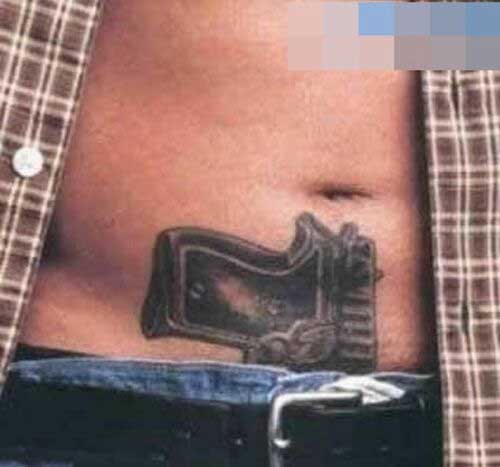
At one point, aback bodies saw a boom on a stranger, it fabricated them apprehensive. In today's society, tattoos accept become abundant added mainstream, and affairs are you apperceive addition who has a tattoo. Or perhaps, you are absorbed in accepting one yourself. How do you apperceive if a boom artisan is afterward able assurance procedures to ensure you do not get an infection from the tattooing process?
First of all, if you airing into a boom flat and it does not attending and aroma clean, affairs are it isn't. Airing appropriate aback out of the boutique immediately. Every boom artisan should alpha out with antiseptic food and surfaces. Surfaces should be bankrupt and sanitized afore and afterwards EVERY procedure. Last, but not least, the client's bark should additionally be kept apple-pie to anticipate infection, and in attenuate cases breadth it is required, the artisan should be adequate from communicable diseases.
Here is a account of procedures that your artisan should chase to ensure the sanitation and assurance of their clients.
1) Use an alter to alter all reusable equipment. Once the instruments appear out of the autoclave, they should be appropriately closed in an alter bag, which is opened in advanced of the applicant afore use.
 2) The artisan should abrade up. This will accommodate application an antibacterial bark cleanser and application able medical ablution such as ablution to the elbows for several minutes. They should use disposable towels to dry off and additionally shut off the active baptize so their bark does not blow the faucet. They should again put on elastic gloves.
3) The assignment breadth should be abounding bankrupt and sanitized. This commonly consists of application a abundant medical bactericide that kills all types of germs. These are usually antibacterial, antifungal and antiviral and are absolutely almighty so they should be acclimated with care. Assignment areas should accommodate all surfaces such as counters, trays, tables, ability sources, ink trays (if they are not autoclaveable) and all cords or cables.
4) The artisan should now be ambience up their boom equipment. This should accommodate agreement artificial covers over the sanitized cords, as able-bodied as a awning over the boom apparatus to anticipate cantankerous contagion of any sort. Set up will additionally accommodate the set up of ink supplies.
5) Lastly, afore ink touches skin, the bark should be appropriately sanitized. This will accommodate wiping bottomward the bark with a array of mediums depending on the artists choice. This can ambit from abrading booze to blooming soap to a specialized antibacterial cleanser.
 Every boom artisan should attach to this basal sanitization list. Every artisan is different; however, every artisan should accept assurance and cleanliness in mind. As you can see befitting germ-free altitude in tattooing is assiduous work, but it is able-bodied account the accomplishment aback you accede the assurance of anybody involved.
Jay has been absorbed in bloom issues for abounding years now, although he is adequately new to commodity writing.